
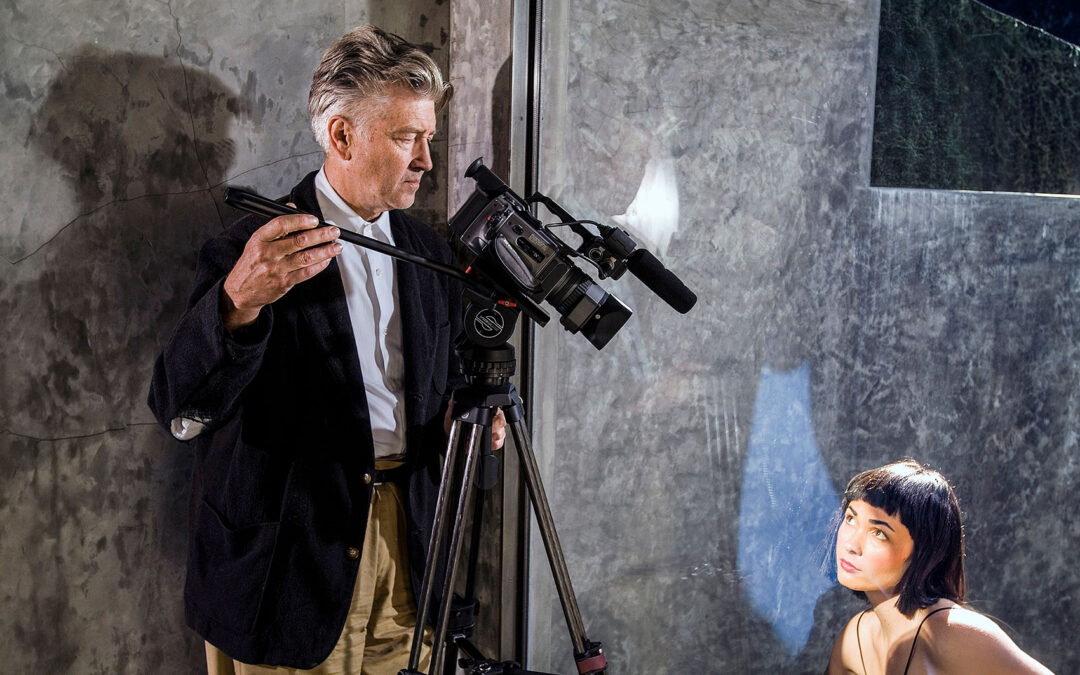
A portrait can answer a basic question: what does this person look like? Editorial portrait photographers are hired for the more difficult question: who is this person in the context of this moment, this publication, this body of work, this cultural conversation?
That difference is felt before a reader reaches the first line of an interview. A considered portrait establishes atmosphere, status, tension, humor, intimacy, or distance. It gives a feature its first argument. For a publicist, creative director, or photo editor, the image is not simply supporting material. It is often the asset that determines whether the story feels singular or interchangeable.
A Portrait With an Editorial Point of View
Editorial portraiture is built around interpretation. The photographer has to understand the assignment, but literal compliance is not enough. A musician photographed for an album profile, an author on a book launch, or an artist in advance of an exhibition may all need a usable likeness. They also need an image that carries the character of their work without turning into a visual cliché.
This is where authorship matters. A recognizable point of view can be expressed through framing, light, color, setting, gesture, or the decision to remove almost everything from the frame. The strongest pictures make those decisions feel inevitable rather than decorative.
A polished white backdrop might be right for a story that needs focus and graphic restraint. A location can add useful texture when the place reveals something true about the subject or the commission. Neither approach is inherently more editorial. The question is whether the visual language has a reason to exist.
For editorial teams, this distinction protects the story from looking like generic publicity. For brands, it can protect a campaign from looking like an ad assembled from familiar references. The image should feel made for the subject, not merely applied to them.
Why Editorial Portrait Photographers Need Preparation
The most revealing portraits rarely begin when the camera comes up. They begin with research and a clear exchange between the photographer and the people shaping the assignment. That preparation is not an exercise in overplanning. It creates enough clarity to leave room for a real encounter.
A useful brief identifies the purpose of the images, where they will appear, who needs approval, and what visual territory has already been exhausted. It also clarifies practical facts: the available time, the location, the crew, the talent’s comfort level, and whether the resulting images must work across a cover, a vertical social crop, press use, or a larger campaign system.
The editorial objective should be discussed in language beyond mood boards. Is the goal authority? Vulnerability? Wit? Mystery? A sense of access? These words influence every decision, from casting a location to deciding whether a portrait should feel formally composed or slightly unsettled.
Research should include the subject’s work and public image, but it should not become a trap. If a person has been photographed in the same visual register for years, repeating that register may be safe, but it offers little reason for an audience to stop. A photographer’s role is partly to locate the opening: a less familiar expression, a different pace, a setting that creates productive contrast, or a simple frame with enough confidence to let the subject carry it.
The Brief Is a Framework, Not a Script
A tightly managed set can produce beautiful work. It can also leave no air for discovery. The right balance depends on the commission. A campaign with multiple stakeholders may require a disciplined shot list, precise lighting continuity, and planned alternates. A magazine feature may benefit from a looser structure, particularly when the subject is most compelling in conversation or motion.
The practical answer is to protect the nonnegotiables early. Once the cover-safe composition, required landscape frame, or approved wardrobe look is in hand, there is more freedom to follow an unexpected gesture or shift the energy of the session. Good production does not compete with spontaneity. It makes spontaneity possible.
The Subject Is a Collaborator, Not a Surface
The person in the frame is not raw material. This sounds obvious, yet it separates portraits that have presence from portraits that only have production value.
Some subjects arrive comfortable with attention and fluent in image-making. Others have spent years being photographed and have developed understandable caution. Still others are not public figures at all, but their work, community, or expertise is the reason for the assignment. Each situation calls for a different kind of direction.
Direction can be specific: where to stand, how to use the hands, where the light is strongest. It can also be conversational. A photographer may need to reduce the pressure in the room, give a subject something concrete to do, or leave a few moments of quiet rather than filling every second with instruction. The aim is not to manufacture candor. It is to create conditions in which the subject can be present.
That presence is often subtle. It may be found in posture, eye contact, a moment of reserve, or an expression that does not resolve into a conventional smile. Editorial work does not require a subject to appear unguarded in every frame. A composed, self-possessed portrait can be just as revealing when it feels honest to the person being photographed.
Visual Restraint Creates Longer-Lasting Images
A portrait can be technically impressive and still date quickly. Trend-driven color treatments, elaborate sets, or heavily performed gestures may be appropriate for a particular publication or campaign. But visual intensity should earn its place.
Restraint is not the same as neutrality. It is the ability to decide what the image does not need. A limited palette can direct attention to skin, expression, and line. A clean composition can give the subject more authority. A detail photographed with care can carry as much personality as a larger scene.
This matters because commissioned images usually have a life beyond their first placement. A magazine portrait may be used in syndication, award submissions, press materials, archives, or a future retrospective. Brand assets can move from launch coverage to retail, presentations, and social channels. Images with a clear internal logic tend to travel well because they are not dependent on a passing visual trick.
Fran Collin’s portfolio-first approach reflects this principle: individual subjects and image series are allowed to hold their own. The work does not need excessive explanation when composition, atmosphere, and a distinct relationship to the sitter are already visible.
What Clients Should Look for Before Commissioning
A portfolio is more useful than a service list because it shows how a photographer thinks under different conditions. When reviewing editorial portrait photographers, look beyond whether the images are attractive. Notice how the work handles proximity. Does the photographer make people look interchangeable, or does each sitter retain a particular gravity?
Look for control across varied assignments. A photographer may work with beauty, artists, entertainers, and creative-world subjects, but the work should still feel authored. Consistency does not mean repeating one setup. It means maintaining discernment while responding to the person and the brief.
It is also worth examining whether the photographer can make images that function editorially. A compelling single image is valuable, but a commission often needs a small body of work: a primary portrait, alternate expressions, environmental frames, vertical and horizontal options, and sometimes details that support layout. The strongest edit has range without drifting into repetition.
Production experience matters, though it should not be confused with a large crew or a complicated set. Professionalism appears in how the day is paced, how the team communicates with talent, how quickly decisions are made, and how reliably final files arrive. For publicists and talent representatives, discretion and a calm working atmosphere can be as consequential as the final contact sheet.
The Real Value Is Editorial Credibility
A commissioned portrait has to accomplish several things at once. It must serve the publication or brand, respect the subject, and hold up as an image independent of its original context. That is a demanding standard, which is why the least visible parts of the process – taste, preparation, pacing, and judgment – often matter most.
The best assignment is not necessarily the one with the most elaborate concept. It is the one where the visual decision feels precise: this person, seen this way, for this reason. Begin there, and give the photographer enough context, trust, and time to make a picture that a story can live inside.