
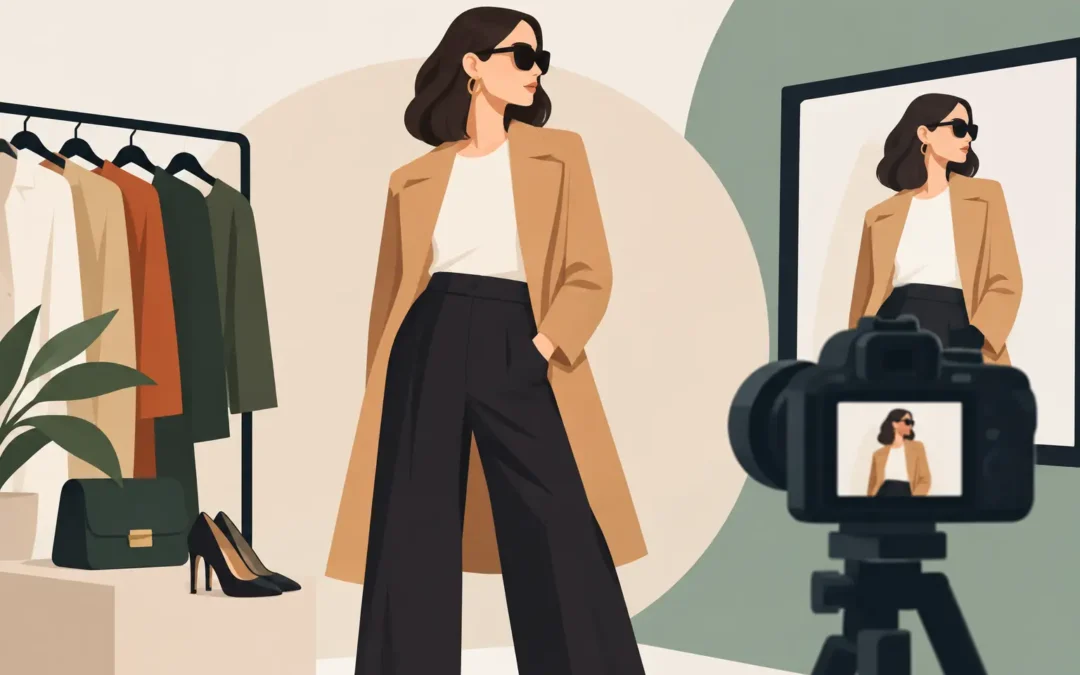
A garment on a white background can show a product. A fashion image can make that garment feel like evidence from a particular world: a private room, a city block at dusk, a backstage corridor, a future that has not arrived yet. The question, “what is fashion image?” is really a question of intention. It asks what happens when clothing, a subject, and a camera are arranged to communicate more than what is being worn.
A fashion image is a constructed photograph in which style carries meaning. It may sell a collection, introduce a designer, define a publication’s visual language, or place a public figure inside a cultural moment. Its effectiveness is not measured only by whether the clothes are visible. It is measured by whether the image creates recognition, atmosphere, and a reason to look twice.
What Is a Fashion Image?
Fashion image is often used as shorthand for fashion photography, but the terms are not entirely interchangeable. Fashion photography describes a medium and a professional category. A fashion image describes the finished visual statement: the photograph, or group of photographs, that gives clothing and identity a specific emotional and cultural frame.
That distinction matters to an editorial team or creative director. A technically competent photograph may accurately document a look and still say very little. A strong fashion image uses the same elements – clothes, person, setting, light, pose, framing – to establish a point of view. It tells the viewer how to read the look before the viewer has time to name every piece.
The best images rarely explain themselves completely. They leave room for the viewer’s associations while remaining precise about mood. An oversized coat can read as severity, protection, glamour, humor, or distance, depending on the face wearing it, the light around it, and the world implied beyond the frame.
Clothing Is the Subject, but Not the Whole Story
Fashion depends on context. A silk dress photographed in direct midday sun has a different meaning than the same dress photographed against a dark wall with hard flash. Neither approach is inherently more fashionable. Each makes a claim about the garment, the wearer, and the audience it expects.
This is why fashion images are built through decisions rather than captured by accident. Casting determines whether a look feels aspirational, intimate, confrontational, familiar, or strange. Styling shapes silhouette and hierarchy. Hair and makeup can polish an image into classic beauty or interrupt it with tension. Location may ground the work in a real social setting, while a studio can turn the body and clothing into graphic form.
Photography brings these decisions into focus. Lens choice affects proportion and distance. Lighting establishes texture, drama, and time of day. Composition decides what is given importance and what is withheld. Retouching can preserve the grain of a face and the character of a fabric, or flatten both into a generic surface. These choices are not production details after the fact. They are the image’s language.
The Difference Between a Lookbook and an Editorial Image
A fashion image can serve different assignments, and the brief changes the balance of the work. A lookbook is usually designed for clarity. Buyers, editors, and clients need to understand fit, fabric, color, and the logic of a collection. The image should be consistent enough to support comparison across multiple looks.
An editorial image has more room for suggestion. It may prioritize story, character, or visual surprise over a complete view of a garment. The clothing remains essential, but it is allowed to become part of a larger idea. A model’s gesture, an unexpected crop, or a charged location can carry as much meaning as the outfit itself.
Campaign imagery sits between these poles. It needs a strong and repeatable identity while still making the product desirable and legible. The trade-off is real: an image that is too abstract can lose the product, while an image that explains everything can lose the sense of desire. The right balance depends on the brand, the collection, the placement, and the audience’s familiarity with the subject.
For a magazine feature, the subject may be a performer or artist whose personal presence is central to the story. In that case, fashion image-making is not about dressing someone as a concept unrelated to who they are. It is about finding a visual register where wardrobe, personality, and editorial purpose can coexist. The result should feel considered, not imposed.
Why a Point of View Matters
Fashion is crowded with competent pictures. Clothing is photographed continuously across commerce, social media, red carpets, advertising, and editorial. What separates a memorable image is not merely production value. It is authorship.
A point of view can be quiet. It might appear in a preference for close portraits, a certain relationship to color, a willingness to let a subject remain unsmiling, or an instinct for environments that feel lived in rather than decorated. Repetition of these instincts gives a photographer’s work coherence. It also gives a client something more valuable than a preset aesthetic: a visual intelligence that can respond to a new subject without becoming anonymous.
For creative teams, the practical question is not whether an image is “on brand” in the most literal sense. It is whether the image extends the brand’s world with enough specificity to be remembered. Familiar references can establish immediate recognition, but they can also make the work disappear into the larger visual stream. A more individual approach carries risk, especially for a campaign with broad commercial requirements. It can also create the image people retain after the season ends.
How a Fashion Image Comes Together
The most effective fashion photographs often look effortless because the preparation was exacting. The process begins with a visual premise, not a shot list alone. What should the viewer feel? What qualities in the collection or subject are worth heightening? Is the desired atmosphere sleek, raw, romantic, austere, playful, or unsettled?
From there, the team can make choices that support rather than compete with one another. Casting should have a reason beyond current visibility. A location should add pressure or texture to the image. Styling should preserve the collection’s intention while making it readable through a camera. If the concept relies on movement, the clothing must move. If it relies on stillness, the posture and framing need enough tension to avoid becoming inert.
Direction is particularly important with talent and public figures. The strongest portraits do not force a single performance from every subject. They create conditions in which a person can be present while the image remains visually disciplined. Some subjects respond to conversation and loose movement; others become most compelling through a restrained, formal setup. Knowing the difference is part of the craft.
Editing is where a body of work becomes an argument. Individual frames may succeed for different reasons, but a final selection needs rhythm. Variation in distance, expression, and composition keeps a series alive. Consistency in color, tone, and emotional temperature keeps it from feeling accidental. One exceptional image can define a campaign or feature, but several images in relation to one another can build a world.
Fashion Image as Cultural Record
A fashion image is also a record of what a culture considered desirable, transgressive, elegant, youthful, powerful, or worth preserving at a given moment. Years later, viewers may notice details no original brief could have predicted: a hairstyle, a body ideal, a street, a technology, or an attitude toward visibility.
That is one reason surface perfection is not always the goal. A photograph with personality can age more gracefully than one polished into neutrality. The goal is not imperfection for its own sake. It is to leave enough life in the frame that the image retains a human charge after trends move on.
For an editorial commission or a brand project, begin with the image you want people to remember, not only the assets you need to deliver. When wardrobe, subject, and photographic point of view are allowed to speak to one another, fashion becomes visible as more than clothing.